
Surrender, They Call It Realistic
Reality depends on who is asked to lose

A man wrote to me. In the first sentence he admired my courage. In the second, he asked me to be realistic about the borders.
He meant the borders of my country. He meant the roads and the rooms inside them, the graves, the children who have not come back.
I read those two sentences several times.
Admiration, then surrender, one line apart.
For years, we have been told to be realistic about the land Russia has taken. The same word appears when people in the palaces of the world discuss our security.
It appears again when they discuss the lives left under Russian control.
Realistic.
It sounds responsible and mature, but it asks nothing from the person saying it.
For Ukraine, realism usually means learning to live with less. Less land and less certainty that another invasion will be prevented.
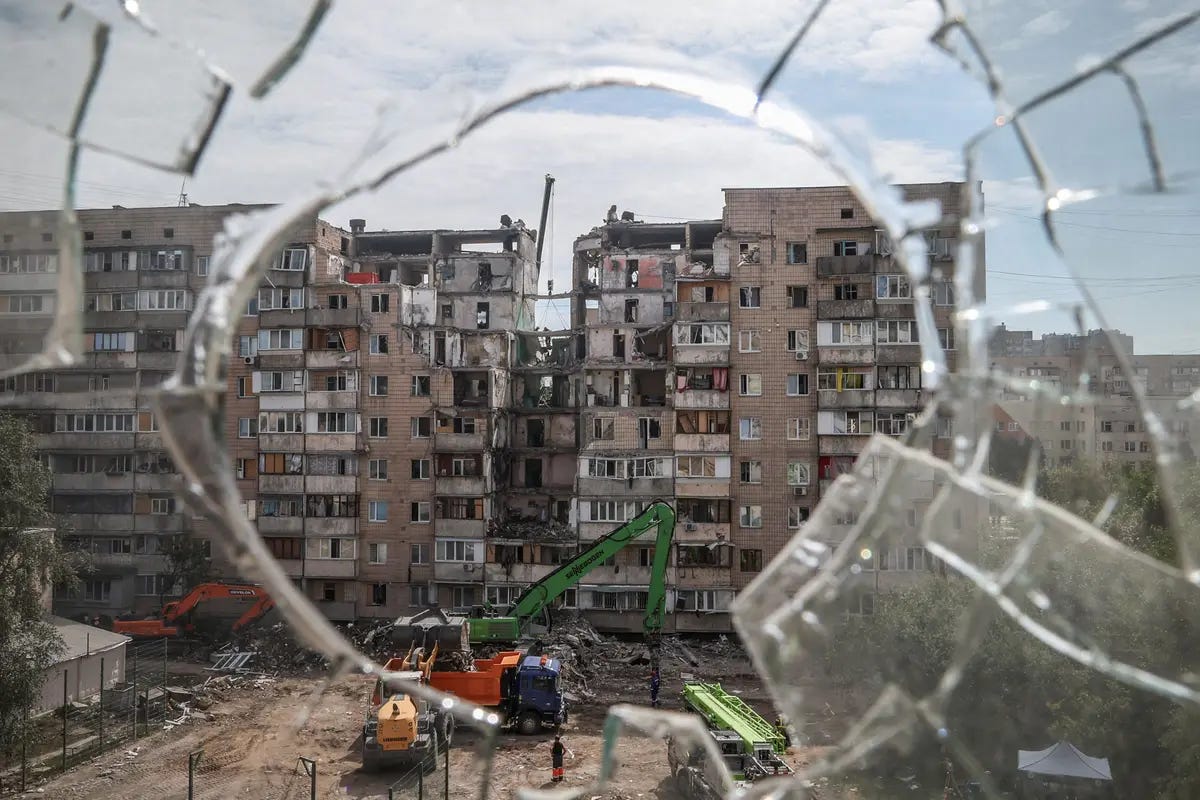
The advice often comes from countries whose borders are protected. Their children sleep at home. No one studies their cities on a map and decides which ones could be surrendered.
I do not resent anyone to live this blessing, after all, this is the life we are asking to have some day
But there is an undeniable privilege in deciding what should be enough for someone else.
A person whose apartment is safe can discuss territorial compromise with patience.
And there is always someone whose child has never been taken to Russia, ready to explain that bringing every Ukrainian child home may be too difficult.
They speak about difficult choices. We are the ones living inside them.
The advice follows one pattern. Desire less, endure more. Accept the loss because resistance has become expensive.
Stop expecting justice, because justice may delay an agreement.
These lessons sound wise when the person teaching them has already secured everything being denied to us.
From far away, territory is an abstraction, or at most a colored patch on a TV screen. Here, it is the schoolyard where a boy waited for a girl after lessons.
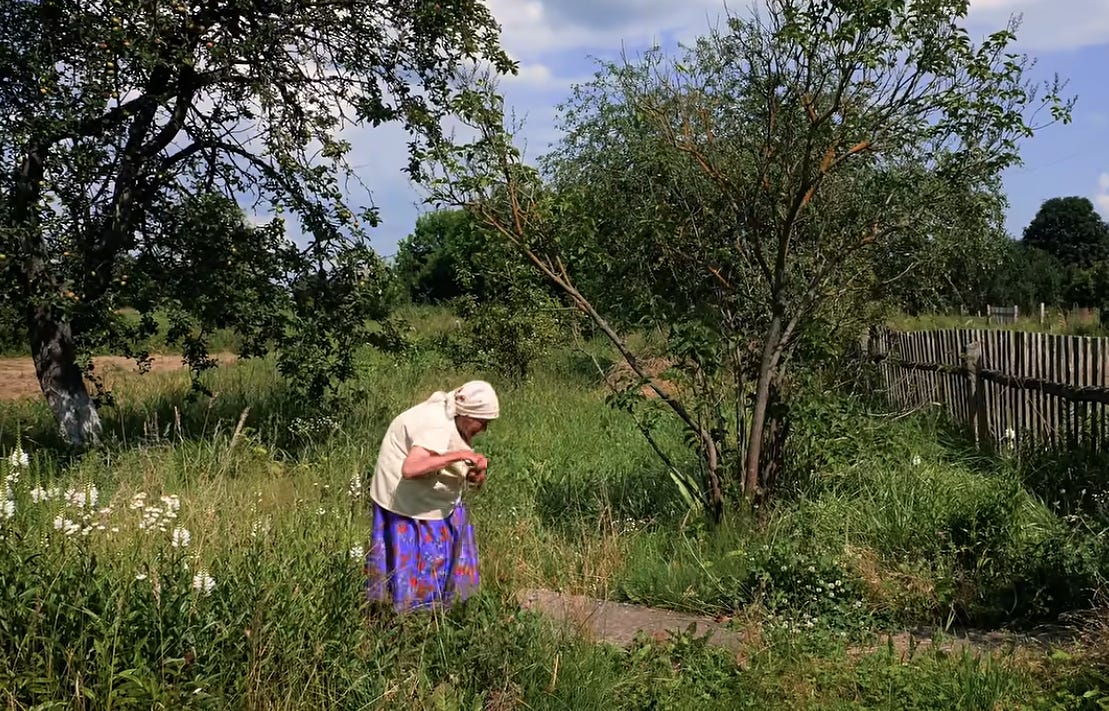
It is the tree a grandmother planted, still giving fruit in a garden she can no longer enter.
Realistic.
You have heard the word too. At a dinner table or on the evening news, from people with genuine sympathy for Ukraine. They say it with concern, and they believe they are helping us face the world as it is.
Nothing of theirs is on the table when the sentence ends.
No one tells us how much Ukrainian loss would satisfy the world. We are simply told that peace requires compromise, while the country that invaded us is permitted to keep demanding more land and more years of war.
How much Ukrainian loss would be enough? And enough for whom?
The demand for moderation always lands on Ukraine. Russia becomes a force of nature whose appetite everyone else must manage.
Each Ukrainian refusal is inspected for stubbornness. The invasion itself enters the conversation as a permanent fact around which the rest of us are expected to arrange our lives.
Then people ask why peace remains impossible.
How much of your own country would you surrender to prove you were realistic?
How many of your children could remain missing before you agreed it was time to move on?
—Viktor
🇺🇦
There is no team here. Just me, in Ukraine, four years in. This journal is open to everyone, and it always will be. Paid subscribers are the guardians who keep it that way, and I owe them more than I can say in a footer. Whoever you are, you belong here.
If you are new on this journal, welcome. Start here.

I will never advise you or any Ukrainian to desire less and endure more, Viktor. Your country deserves to have every bit of its territory returned to it, every stolen child returned to his or her parents and family. I pray for you every day.
Don’t listen to them Victor, everyone who is missing is important.